%2Ffit-in%2F250x250%2Fguide_websites%2F6121%2Fimages%2F1782333116338image-2026-06-25t043142.079.png&w=1920&q=100)
How to Catch Trophy Blue Catfish: Expert Tips from Captain Homad
%2Ffit-in%2F1000x1000%2Ffilters%3Aformat(webp)%2Fguide_websites%2F6121%2Fimages%2F2022-03-281.jpg&w=1920&q=75)
Published: May 29, 2026
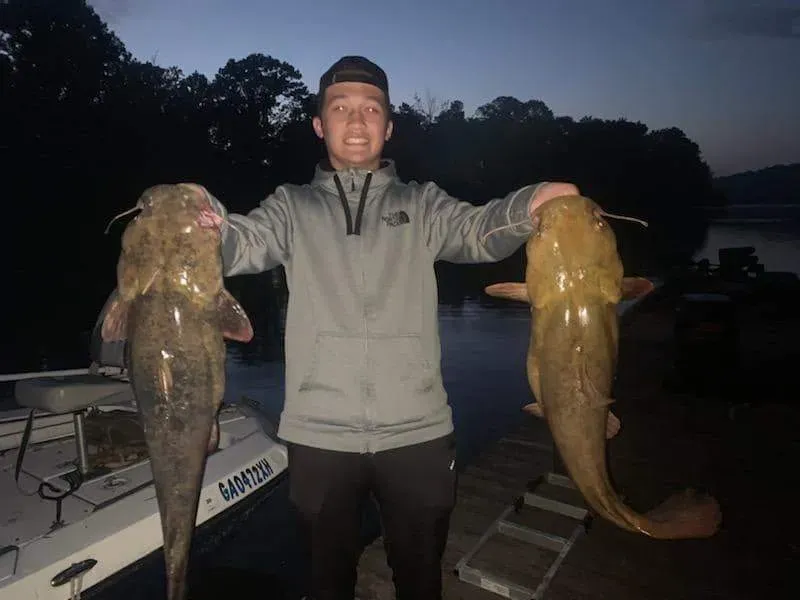
One powerful strike, a screaming drag, and suddenly you’re locked in battle with a trophy blue catfish deep beneath the waters of Georgia’s legendary Coosa River. For anglers chasing giant blue catfish, few freshwater fishing experiences compare to the adrenaline rush of hooking a monster catfish in moving river current.
If you’ve been searching for the best blue catfish fishing tips, proven catfish rigs, and expert strategies for catching giant catfish, you’re in the right place. At Coosa River Outfitters, Captain Homad Khandaghabadi guides anglers through the productive waters of Coosa River and Weiss Lake, helping beginners and experienced fishermen target trophy blue catfish, flatheads, crappie, bluegill, and more. From selecting the best bait for blue catfish to mastering seasonal fishing patterns, this guide covers everything you need for a successful and action-packed fishing adventure.
Why Trophy Blue Catfish Fishing Is Exploding in Popularity
The hunt for trophy blue catfish has become one of the fastest-growing freshwater fishing trends in the South, drawing anglers eager to battle giant river monsters that can weigh well over 50 pounds. From viral catfish fishing videos to competitive catfishing tournaments, more fishermen are discovering the excitement, power, and unpredictability of targeting massive blue catfish in rivers and lakes across Georgia.
What makes trophy blue catfish fishing so addictive is the combination of strategy, patience, and adrenaline. These deep-water predators are known for their aggressive strikes, powerful runs, and ability to challenge even experienced anglers. Waters like the Coosa River and Weiss Lake have become prime destinations for trophy catfish fishing thanks to their strong currents, abundant baitfish, and healthy catfish populations.
With expert-guided trips from Captain Homad at Coosa River Outfitters, anglers of all skill levels now have the opportunity to experience world-class blue catfish fishing in Georgia firsthand.
Understanding Trophy Blue Catfish Behavior
Trophy blue catfish don’t become river giants by accident — these powerful predators are smart, opportunistic, and masters of deep-water survival. If you truly want to catch giant blue catfish consistently, understanding blue catfish behavior is just as important as choosing the right bait or fishing gear.
Large blue catfish typically hold near deep river channels, underwater ledges, creek mouths, and current breaks where baitfish naturally collect. In productive fisheries like the Coosa River and Weiss Lake, trophy catfish constantly follow food sources while conserving energy in slower-moving water. Seasonal patterns also play a major role in successful catfish fishing. During spring and fall, blue catfish become highly active and feed aggressively, while summer and winter often push them into deeper structures.
Water temperature, current flow, weather changes, and bait movement heavily influence feeding activity. Experienced guides like Captain Homad at Coosa River Outfitters use years of local river knowledge and advanced fish-finding techniques to locate trophy blue catfish more effectively throughout the year.
Best Gear Setup for Trophy Blue Catfish
When a trophy blue catfish hits, weak gear simply won’t survive the fight. Landing giant blue catfish in strong river current demands heavy-duty catfish tackle, reliable fishing equipment, and the right setup designed specifically for big freshwater predators.
- Heavy-Action Catfish Rods: Strong heavy-action rods provide the backbone needed to control giant blue catfish during aggressive runs and deep-water battles on rivers like the Coosa River.
- High-Capacity Baitcasting Reels: Quality baitcasting reels with smooth drag systems help anglers handle powerful trophy catfish while maintaining control in fast-moving current.
- Braided Fishing Line: Many experienced catfish anglers prefer 50–80 lb braided line for superior sensitivity, hook-setting power, and durability around underwater structure.
- Strong Leader Setup: Heavy monofilament or fluorocarbon leaders reduce break-offs when targeting monster catfish hiding near rocks, ledges, and submerged timber.
- Circle Hooks for Better Hookups: Circle hooks improve hook placement and increase catch rates while reducing harm during catch-and-release trophy catfish fishing.
- Santee Cooper & Drift Rigs: Proven catfish rigs like Santee Cooper setups and drifting rigs help present bait naturally in deep channels and current seams where large blue catfish feed.
- Advanced Electronics & Sonar: Fish finders and sonar technology help locate bait schools, underwater structure, and trophy blue catfish holding in deeper water throughout the year.
- Professional Gear from Coosa River Outfitters: At Coosa River Outfitters, Captain Homad provides high-quality rods, reels, tackle, and expert guidance so anglers can focus on landing trophy-sized catfish successfully.
Best Baits for Trophy Blue Catfish
If you want to hook a giant blue catfish, your bait selection can make the difference between an empty cooler and the fight of a lifetime. Trophy catfish rely heavily on scent, vibration, and fresh forage when hunting in deep river systems like the Coosa River.
- Fresh Cut Shad: Fresh-cut shad remains one of the best baits for trophy blue catfish because of its strong scent trail and natural presence in rivers and reservoirs.
- Skipjack Herring: Many experienced catfish anglers consider skipjack herring the ultimate bait for giant blue catfish due to its oily texture and long-lasting scent dispersion underwater.
- Live Bluegill & Sunfish: Larger blue catfish aggressively target live baitfish, especially around deep channels, submerged timber, and current breaks during warmer months.
- Threadfin Shad: Threadfin shad works exceptionally well for drifting and suspended catfish presentations in Weiss Lake and the Coosa River system.
- Freshness Matters Most: Fresh bait consistently outperforms frozen or old bait because trophy catfish are highly sensitive to scent and feeding signals in moving water.
- Match the Local Forage: Successful catfish fishing often means using bait species naturally found in the river where giant blue catfish actively feed.
- Chunk Size for Bigger Fish: Larger bait chunks help target trophy-sized blue catfish while reducing bites from smaller fish species.
- Captain Homad’s Local Bait Strategy: At Coosa River Outfitters, Captain Homad uses proven local bait selection techniques tailored to seasonal blue catfish feeding patterns on the Coosa River and Weiss Lake.
Proven Techniques to Catch Giant Blue Catfish
Hooking a trophy blue catfish isn’t just luck — it’s about mastering proven catfish fishing techniques that consistently put anglers on giant fish. From drifting deep river channels to reading underwater structure, the right strategy can dramatically increase your success on the Coosa River.
- Controlled Drifting Technique: Drifting fresh bait across deep channels and current seams allows anglers to cover more water where trophy blue catfish actively feed.
- Anchoring Near Structure: Positioning your boat near ledges, creek mouths, submerged timber, and drop-offs helps target giant blue catfish holding in ambush zones.
- Targeting Current Breaks: Large catfish often conserve energy behind rocks, bends, and underwater structure while waiting for baitfish to drift past naturally.
- Using Sonar & Fish Finders: Advanced electronics help locate bait schools, underwater ledges, suspended fish, and deep-water catfish hotspots more efficiently.
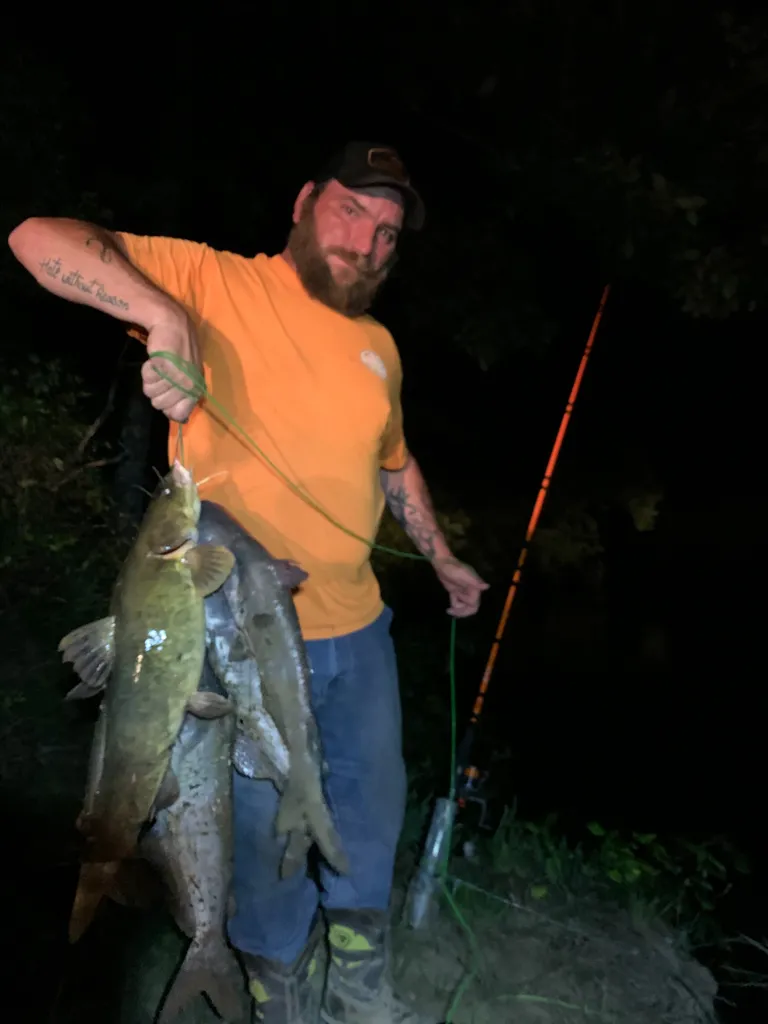
- Night Fishing for Trophy Catfish: Blue catfish become more aggressive after sunset, making nighttime one of the best opportunities to catch giant catfish in shallow feeding areas.
- Slow Presentation Matters: Trophy catfish often prefer naturally moving bait presentations rather than fast or erratic retrieves in heavy current.
- Following Seasonal Patterns: Adjusting fishing depth and location based on water temperature and seasonal movement significantly improves trophy catfish success.
- Guided Fishing with Local Expertise: At Coosa River Outfitters, Captain Homad combines local river knowledge, proven catfish techniques, and advanced equipment to help anglers consistently target giant blue catfish on the Coosa River and Weiss Lake.
Best Times of Year to Catch Trophy Blue Catfish
Timing can turn an average fishing trip into the battle of a lifetime. Understanding the best season for trophy blue catfish fishing helps anglers target giant fish during peak feeding periods on the Coosa River and Weiss Lake.
- Spring Feeding Frenzy: Spring is one of the best times to catch trophy blue catfish as warming water temperatures trigger aggressive feeding before spawning season begins.
- Summer Deep-Water Patterns: During hot summer months, giant blue catfish often move into deeper river channels, ledges, and cooler water during daylight hours.
- Fall Trophy Catfish Action: Fall creates excellent catfish fishing opportunities because blue catfish actively feed to build energy reserves before winter arrives.
- Winter Giant Catfish Opportunities: Cold weather can produce some of the largest trophy blue catfish catches as fish group tightly in deep-water holes and channels.
- Best Time of Day Matters: Early mornings, late evenings, and nighttime are often the most productive periods for targeting giant blue catfish in moving river systems.
- Water Conditions Influence Feeding: River current, water temperature, rainfall, and barometric pressure can dramatically impact blue catfish activity and feeding behavior.
- Seasonal Bait Adjustments: Matching bait size and presentation to seasonal feeding patterns helps improve trophy catfish success throughout the year.
- Expert Seasonal Guidance: At Coosa River Outfitters, Captain Homad uses local river knowledge and seasonal fishing strategies to help anglers consistently locate and catch trophy blue catfish year-round.
Common Mistakes Anglers Make When Targeting Trophy Blue Catfish
Many anglers dream of catching a trophy blue catfish, but small mistakes can quickly ruin big fishing opportunities. Understanding the most common catfish fishing errors can dramatically improve your success when targeting giant blue catfish on rivers like the Coosa River.
- Using Small or Weak Tackle: Lightweight rods, weak hooks, and low-strength fishing line often fail when battling powerful trophy blue catfish in heavy current.
- Fishing in the Wrong Depth: Many anglers overlook deep river channels, ledges, and current breaks where giant blue catfish spend most of their time.
- Ignoring Water Current: Trophy catfish rely heavily on river current to locate food, making boat positioning and bait presentation extremely important.
- Using Old or Frozen Bait: Fresh bait creates stronger scent trails that attract large blue catfish far more effectively than stale or poorly preserved bait.
- Setting the Hook Too Aggressively: Circle hooks work best when anglers allow the fish to load the rod naturally instead of jerking aggressively during the bite.
- Moving Too Frequently: Constantly changing fishing spots can prevent anglers from fully working productive catfish areas during active feeding windows.
- Overlooking Seasonal Patterns: Water temperature and seasonal movement patterns heavily influence trophy blue catfish behavior throughout the year.
- Not Fishing with Local Experts: At Coosa River Outfitters, Captain Homad helps anglers avoid common catfish fishing mistakes using proven local strategies, advanced equipment, and years of Coosa River experience.
Why Guided Catfish Fishing Trips Increase Your Success
One day on the water with the right fishing guide can teach you more about trophy blue catfish fishing than years of trial and error. Guided catfish fishing trips have become increasingly popular among anglers looking to improve their skills, catch bigger fish, and experience productive waters like the Coosa River and Weiss Lake with confidence.
Professional catfish guides understand seasonal fish movement, feeding behavior, river structure, and the best locations where giant blue catfish actively hunt. Instead of wasting hours searching unfamiliar water, anglers can focus on proven fishing techniques, proper bait presentation, and fighting trophy-sized catfish effectively. Guided trips also provide access to high-quality rods, reels, sonar equipment, tackle, and local fishing knowledge that dramatically increases catch rates.
At Coosa River Outfitters, Captain Homad Khandaghabadi delivers expert-guided fishing adventures tailored for beginners and experienced anglers alike. Whether you’re targeting trophy blue catfish, flatheads, crappie, or panfish, his local expertise on Georgia’s Coosa River helps turn ordinary fishing trips into unforgettable freshwater fishing experiences.
Fish the Coosa River with Captain Homad
The next trophy blue catfish story you tell could begin on the legendary waters of Georgia’s Coosa River. With powerful river currents, deep channels, and thriving fish populations, the Coosa River and Weiss Lake offer some of the best freshwater fishing opportunities for anglers chasing giant catfish and unforgettable outdoor adventures.
At Coosa River Outfitters, Captain Homad Khandaghabadi provides expert-guided fishing trips designed for anglers of all skill levels. Whether you’re targeting trophy blue catfish, flathead catfish, crappie, bluegill, or redear sunfish, every trip is built around productive fishing techniques, local river knowledge, and action-packed experiences on the water.
Captain Homad’s deep understanding of seasonal fish behavior, river structure, and advanced catfish fishing strategies gives guests the best possible chance of success. High-quality rods, reels, tackle, and fishing equipment are fully provided, allowing you to focus entirely on landing fish and enjoying the natural beauty of the Coosa River. From first-time anglers to seasoned fishermen, Coosa River Outfitters delivers an exciting and memorable Georgia fishing adventure.
Essential Safety Tips for Big River Catfishing
Trophy blue catfish fishing delivers adrenaline-pumping action, but big river catfishing also demands preparation, awareness, and safety on the water. Strong currents, changing weather, and powerful fish make following proper catfish fishing safety tips essential on rivers like the Coosa River.
- Always Wear a Life Jacket: Fast-moving river current and sudden boat movement make wearing a properly fitted life jacket critical during every catfish fishing trip.
- Monitor Weather Conditions: Thunderstorms, heavy rain, and strong winds can quickly create dangerous river conditions for anglers targeting trophy blue catfish.
- Use Proper Boat Lighting: Early morning and nighttime catfish fishing require reliable navigation lights for safe boating visibility on large rivers and lakes.
- Handle Trophy Catfish Carefully: Large blue catfish are powerful and can cause injuries if handled improperly around hooks, fins, and heavy fishing tackle.
- Keep Fishing Gear Organized: Loose rods, hooks, and tackle on deck can create tripping hazards during active fishing conditions or while fighting giant fish.
- Understand River Current: Learning how current affects boat positioning, drifting, and anchoring improves both fishing success and on-water safety.
- Stay Hydrated & Protected: Long hours under the sun require hydration, sunscreen, polarized sunglasses, and proper outdoor clothing for comfort and safety.
- Fish with Experienced Guides: At Coosa River Outfitters, Captain Homad prioritizes safe, professional, and enjoyable fishing experiences using expert navigation and local river knowledge on every guided trip.
Conservation & Catch-and-Release Best Practices
Today’s trophy blue catfish anglers aren’t just chasing giant fish — they’re helping protect the future of freshwater fishing. Practicing responsible catch-and-release catfishing ensures healthy blue catfish populations continue thriving in rivers like the Coosa River and Weiss Lake for future generations.
- Handle Fish with Wet Hands: Wet hands help protect the catfish’s natural slime coat, reducing stress and lowering the risk of infection after release.
- Use Circle Hooks When Possible: Circle hooks minimize deep hooking and improve safe release rates for trophy blue catfish during catch-and-release fishing.
- Limit Air Exposure: Keeping giant catfish out of the water for only short periods helps reduce exhaustion and improves survival after release.
- Support Large Fish Properly: Always support trophy blue catfish horizontally with both hands to avoid damaging internal organs and jaw structure.
- Avoid Hot Surface Contact: Never place catfish on hot boat decks or rough surfaces that can injure protective skin and scales.
- Release Fish Carefully: Allow large blue catfish time to recover upright in the water before releasing them back into river current.
- Respect Local Fishing Regulations: Following Georgia fishing laws and size regulations helps maintain sustainable trophy catfish fisheries for years to come.
- Promoting Sustainable Fishing Practices: At Coosa River Outfitters, Captain Homad encourages ethical catfish fishing, conservation awareness, and responsible catch-and-release practices on every guided fishing trip.
Conclusion
The next time your fishing rod bends under the weight of a giant trophy blue catfish, you’ll understand why catfish anglers across Georgia are obsessed with the thrill of big river fishing. From mastering the best blue catfish bait and proven catfish rigs to understanding seasonal movement and river structure, successful trophy catfish fishing comes down to preparation, patience, and local expertise.
The Coosa River and Weiss Lake continue to rank among the top destinations for trophy blue catfish fishing, offering incredible opportunities for anglers of all skill levels. Whether you’re chasing your personal-best catfish or simply looking for an unforgettable freshwater fishing adventure, guided trips can dramatically improve your success on the water.
Ready to battle giant blue catfish with expert guidance? Book your next adventure with Coosa River Outfitters and join Captain Homad for an action-packed fishing experience on Georgia’s legendary Coosa River.
FAQs
What is the best bait for trophy blue catfish?
Fresh-cut shad, skipjack herring, and live bluegill are considered the best baits for catching trophy blue catfish in rivers and reservoirs.
What time of day is best for blue catfish fishing?
Early morning, late evening, and nighttime are usually the most productive times for trophy blue catfish fishing in moving river systems.
Where do giant blue catfish usually hide?
Trophy blue catfish commonly hold near deep river channels, current breaks, submerged structure, creek mouths, and underwater ledges with abundant baitfish.
What pound test line is best for trophy catfish?
Most experienced catfish anglers recommend using 50–80 lb braided fishing line when targeting giant blue catfish in heavy current and deep water.
What is the best season for trophy blue catfish fishing?
Spring and fall are widely considered the best seasons for trophy blue catfish because feeding activity increases during changing water temperatures.
How big can blue catfish grow?
Blue catfish are the largest freshwater catfish species in North America and can grow well over 100 pounds in productive river systems.
Are guided catfish fishing trips worth it?
Guided catfish fishing trips improve success by providing local river knowledge, professional equipment, advanced techniques, and access to productive fishing locations.
What rigs work best for giant blue catfish?
Santee Cooper rigs, drifting rigs, and heavy bottom setups are among the most effective catfish rigs for targeting trophy blue catfish.
Is the Coosa River good for trophy catfish fishing?
Yes, the Coosa River is known for excellent blue catfish, flathead catfish, crappie, and freshwater fishing opportunities throughout the year.
Can beginners catch trophy blue catfish?
Absolutely. With proper guidance, quality tackle, and proven fishing techniques, beginners can successfully catch trophy blue catfish on guided trips.