%2Ffit-in%2F250x250%2Fguide_websites%2F6121%2Fimages%2F1782333116338image-2026-06-25t043142.079.png&w=1920&q=100)
Day vs Night Channel Catfish Fishing: Which Produces Bigger Catches?
%2Ffit-in%2F1000x1000%2Ffilters%3Aformat(webp)%2Fguide_websites%2F6121%2Fimages%2F2022-03-281.jpg&w=1920&q=75)
Published: May 29, 2026
Some anglers swear channel catfish bite best under blazing daylight, while others claim the real giants only come alive after sunset—but who’s actually right when it comes to day vs night channel catfish fishing? The answer isn’t as simple as choosing light or dark; it’s about understanding feeding behavior, water conditions, and when trophy catfish become most active.
Whether you’re searching for the best time to catch channel catfish, improving your river catfishing techniques, or targeting bigger catches in Georgia rivers, timing can completely change your success rate. In legendary waters like the Coosa River, anglers often see dramatic differences in catch size and frequency between day and night sessions, making this debate more than just theory—it’s a game of strategy, patience, and precision on the water.
Understanding Channel Catfish Behavior in Rivers
Channel catfish don’t just swim randomly through rivers—they follow a highly strategic pattern driven by smell, current, and survival instincts that directly impacts your channel catfish fishing success rate. Understanding this behavior is the key to mastering both day vs night catfish fishing strategies and consistently landing bigger fish. Unlike sight-feeding species, channel catfish rely heavily on their barbels, which act like powerful chemical sensors to detect food even in muddy, low-visibility water.
In river systems like the Coosa River, their movement is influenced by current breaks, deep holes, submerged structures, and feeding lanes. During the day, they often retreat to deeper, slower waters to conserve energy, while at night they roam more freely into shallower feeding zones. Water clarity, oxygen levels, and flow rate also play a major role in determining activity levels. By decoding these patterns, anglers can dramatically improve their chances of targeting trophy channel catfish instead of just occasional bites.
Daytime Channel Catfish Fishing – Pros & Cons
Daytime catfish fishing often gets overlooked, but under the right conditions it can still produce solid catches and even surprise trophy channel catfish—if you know where and how to target them.
Pros: Advantages of Daytime Channel Catfish Fishing
- Better visibility for structure targeting: Easier to locate deep holes, drop-offs, ledges, and submerged timber where channel catfish hold during daylight hours.
- Improved safety and navigation: Strong advantage for river anglers fishing unfamiliar waters or fast currents like the Coosa River.
- More precise bait placement: You can accurately position rigs in specific feeding lanes and tight holding zones.
- Effective in overcast or stained water: Low-light daytime conditions can still trigger active feeding behavior.
- Easier fish tracking with electronics: Sonar use becomes more effective in mapping catfish depth and movement patterns.
Cons: Limitations of Daytime Channel Catfish Fishing
- Reduced shallow-water activity: Bigger channel catfish often stay deep and less accessible during bright daylight.
- Increased caution in clear water: Fish become more pressure-sensitive and may avoid bait more quickly.
- Lower overall bite frequency: Compared to night fishing, strikes are often fewer and more selective.
- Boat and human disturbance: Higher daytime activity on rivers can push catfish into tighter, harder-to-reach areas.
- Requires more skill and precision: Success depends heavily on reading structure and accurate bait placement rather than active feeding aggression.
Night Fishing for Channel Catfish – Why It’s So Popular
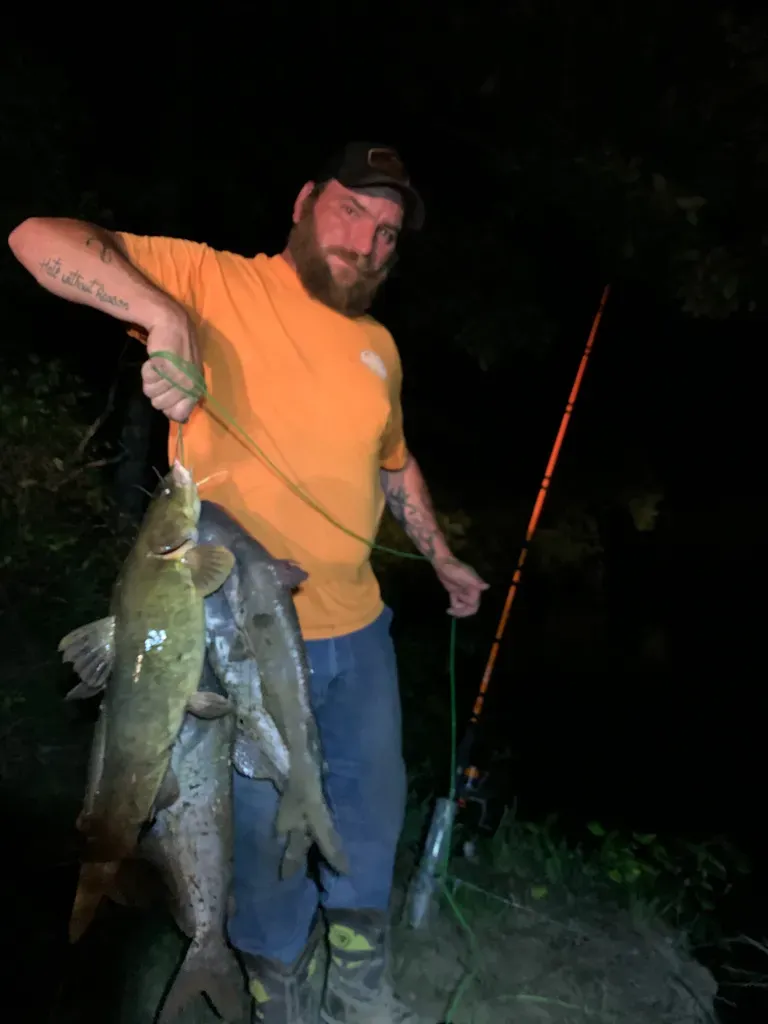
When the sun sets, channel catfish transform from cautious bottom-huggers into aggressive roamers—making night fishing for catfish one of the most productive and thrilling ways to land bigger catches in rivers like the Coosa.
- Increased feeding aggression after sunset: Channel catfish actively move into shallow feeding zones, hunting more freely with reduced light pressure.
- Lower disturbance from boats and anglers: Minimal river traffic at night allows catfish to behave naturally and bite more confidently.
- Stronger scent-based feeding response: In darkness, catfish rely heavily on smell, making stink bait and cut bait far more effective.
- Higher chances of trophy catfish encounters: Larger fish often leave deep structure at night to feed along flats and channel edges.
- Optimal summer conditions for consistent action: Warm water temperatures significantly boost nighttime feeding activity and strike rates.
- Influence of moon phases on bite activity: New moon periods often produce better action due to darker, more natural feeding conditions.
- Exciting and immersive fishing experience: Quiet waters, strong strikes, and heavy rod bends make night sessions highly rewarding for anglers.
Day vs Night – Which Produces Bigger Channel Catfish?
When it comes to day vs night channel catfish fishing, the real question every angler asks is simple—when do the biggest catfish actually bite? The answer depends on behavior, pressure, and feeding confidence rather than just daylight conditions. In most river systems like the Coosa River, night fishing for catfish consistently produces more aggressive strikes and higher chances of hooking larger fish. Darkness reduces boat traffic and allows trophy channel catfish to roam freely into shallow feeding zones.
Daytime fishing, however, can still produce quality catches, especially when targeting deep structure with precision. Bigger fish tend to hold tight in cover during daylight, making them harder but not impossible to catch.
Ultimately, night fishing often wins in terms of quantity and trophy potential, while daytime fishing rewards skill, patience, and accuracy. Successful anglers adapt—using night sessions for active feeding windows and daytime trips for strategic deep-water targeting to maximize overall catch size and consistency.
Best Baits for Channel Catfish (Day & Night)
If you’re struggling with inconsistent bites in channel catfish fishing, your bait—not your location—might be the real game-changer. The right scent, texture, and presentation can dramatically boost success in both day vs night catfish fishing scenarios.
- Cut bait (shad, skipjack, or baitfish): Powerful scent trail that attracts channel catfish from long distances, especially effective in river currents like the Coosa River.
- Chicken liver: Strong-smelling natural bait that works well in low-light and murky water conditions, triggering quick strikes.
- Stink bait: Highly effective during night fishing when catfish rely heavily on smell instead of sight for feeding.
- Live bait (minnows or small sunfish): Best used during daytime when catfish are more cautious and prefer natural movement cues.
- Freshly cut bait vs aged bait strategy: Fresh cuts work better in active feeding periods, while stronger-aged bait excels in slow daytime conditions.
- Dip baits and punch baits: Ideal for increasing scent dispersion in slow-moving river pockets and deep holes.
- Adjusting bait size for trophy fish: Larger chunks increase chances of targeting bigger channel catfish in both day and night sessions.
Seasonal Factors That Affect Catfish Activity
If your channel catfish fishing success rate changes throughout the year, it’s not random—seasonal shifts in water temperature, metabolism, and feeding behavior heavily influence the best time to catch catfish in rivers.
- Summer (Peak night activity): Warm water increases metabolism, making night fishing highly productive with aggressive feeding near shallow flats and river edges.
- Spring (Spawning transition period): Catfish move frequently between deep and shallow zones, making both day and night fishing effective depending on water stability.
- Fall (Pre-winter feeding surge): One of the best seasons for trophy catfish as fish actively feed to build energy reserves before cold temperatures set in.
- Winter (Deep-water daytime focus): Catfish slow down and hold in deep holes, making daytime precision fishing more productive than night sessions.
- Water temperature impact (key trigger): Ideal feeding range generally sits between moderate temperatures, where catfish activity levels remain consistently high.
- River flow changes: Increased current after rains can improve bait dispersion but may temporarily push fish into calmer holding zones.
- Seasonal bait effectiveness: Natural cut bait works year-round, but stronger-scent options perform better in colder or low-visibility conditions.
River Fishing Techniques for Bigger Catches
Landing a trophy channel catfish isn’t just about timing—it’s about mastering proven river catfishing techniques that help you consistently locate, attract, and hook bigger fish in flowing waters like the Coosa River.
- Bottom fishing with anchored rigs: Keeps bait in the strike zone of deep-holding catfish, especially effective in river bends and holes.
- Drift fishing across current seams: Allows natural bait movement that mimics live forage drifting along feeding lanes.
- Targeting deep holes and river bends: Prime holding zones where larger channel catfish rest during the day and move out at night.
- Reading current breaks and eddies: Fish gather behind structures where energy is lower and food naturally accumulates.
- Using sonar or fish finders effectively: Helps identify depth changes, submerged logs, and catfish schools with precision.
- Positioning near submerged structure: Logs, rocks, and ledges create natural ambush points for feeding catfish.
- Adjusting bait depth strategically: Keeping bait just above the bottom often increases strike rates for cautious fish.
Guided Catfish Fishing on the Coosa River
When it comes to unlocking consistent trophy channel catfish fishing success, local knowledge often makes the biggest difference—and that’s exactly what guided trips deliver on the Coosa River.
Coosa River Outfitters, led by Captain Homad Khandaghabadi, provides expert-guided fishing trips along the scenic Coosa River in Cave Spring, Georgia. Whether you're targeting blue catfish, channel catfish, flathead catfish, crappie, bluegill, or redear sunfish, every trip is designed to match your skill level and fishing goals. From mastering day vs night catfish fishing strategies to refining bait presentation and locating deep-water hotspots, guided experiences significantly improve catch quality and consistency.
With Captain Homad’s deep understanding of river ecosystems, anglers gain access to proven fishing zones, seasonal patterns, and advanced techniques that are difficult to learn alone. High-quality rods, reels, and tackle are provided, ensuring a hassle-free experience on the water. Whether you’re a beginner or seasoned angler, these guided adventures turn every trip into a productive, action-packed opportunity for landing bigger fish.
Why the Coosa River Is Ideal for Channel Catfish Fishing
If you’re searching for a river that consistently produces trophy channel catfish fishing opportunities, the Coosa River stands out as one of Georgia’s most productive and underrated freshwater systems.
Flowing with deep channels, slow-moving bends, and rich forage, the Coosa creates the perfect environment for channel catfish fishing in rivers year-round. Its structure offers everything catfish need—deep holes for daytime holding, current seams for ambush feeding, and shallow flats that come alive during night feeding periods. This natural rhythm makes it ideal for both day vs night catfish fishing strategies, giving anglers multiple productive windows.
Abundant baitfish populations also ensure a steady food supply, supporting healthy growth and increasing the chances of landing larger fish. Seasonal water level changes further enhance movement patterns, pushing catfish into predictable zones that are easier to target with the right techniques.
For anglers seeking consistent action, size potential, and scenic surroundings, the Coosa River delivers a complete river catfishing experience in Georgia that few waters can match.
Pro Tips for Landing Bigger Channel Catfish
If your goal is to consistently land bigger channel catfish, small adjustments in technique, bait strategy, and timing can make a huge difference—especially when targeting trophy fish in rivers like the Coosa.
- Focus on transition zones: Target areas where deep water meets shallow feeding flats, as trophy catfish patrol these edges for easy prey.
- Prioritize strong scent baits: Use cut bait or stink bait to create a powerful scent trail that attracts fish from longer distances.
- Adjust depth strategically: Keep bait just off the bottom in deep holes where larger catfish prefer to hold during the day.
- Fish during peak activity windows: Night sessions often produce more aggressive bites, while early morning and late evening also improve catch quality.
- Stay patient with slow bites: Bigger catfish often take time to commit, especially in pressured waters or clear conditions.
- Use heavier tackle for control: Strong rods and reels help manage powerful runs and reduce the risk of losing trophy fish in current.
- Watch river conditions closely: Slight changes in flow, temperature, or clarity can quickly shift feeding behavior and improve your odds.
Conclusion
The debate around day vs night channel catfish fishing ultimately comes down to one truth—bigger catches are won by strategy, not just timing. While night fishing clearly increases aggression, feeding activity, and trophy opportunities, daytime fishing still delivers results when you understand structure, depth, and precise bait placement. The best anglers combine both approaches, adapting to seasonal changes, water conditions, and river behavior to consistently target trophy channel catfish.
Rivers like the Coosa prove that success isn’t about choosing one time over another—it’s about reading the water and fishing smarter. With the right catfish fishing techniques, bait selection, and seasonal awareness, every trip can turn into a productive experience.
For anglers ready to level up their results, guided expertise can make all the difference. Book a trip with Coosa River Outfitters and fish alongside Captain Homad Khandaghabadi for a hands-on Coosa River catfishing experience designed to help you land bigger, better catches every time.
FAQs
1. Do channel catfish bite better at night or during the day?
Channel catfish usually bite better at night due to reduced light, cooler water, and increased feeding activity along river channels.
2. What is the best time to catch trophy channel catfish?
Late evening and nighttime hours typically produce the biggest channel catfish when they move into shallow feeding zones.
3. Can you catch channel catfish during the daytime?
Yes, daytime catches are common when targeting deep holes, current breaks, and shaded river structures effectively.
4. Why is night fishing for catfish more productive?
Night fishing reduces boat pressure and increases scent-based feeding, allowing channel catfish to roam and strike more aggressively.
5. What bait works best for channel catfish fishing?
Cut bait, chicken liver, and stink bait are top choices due to strong scent trails that attract catfish quickly.
6. Where do channel catfish go during the day?
They usually stay in deep holes, submerged structures, and slow current areas to conserve energy and avoid bright light.
7. Does water temperature affect catfish activity?
Yes, warmer water increases feeding activity, while extreme cold or heat pushes catfish into deeper, slower zones.
8. Is moon phase important for catfish fishing success?
Many anglers report better night bites during new moon phases when darkness encourages stronger feeding behavior.
9. What depth is best for channel catfish fishing?
Depth varies, but most catches come near the bottom in deep holes or along river channel edges.
10. Which is better for bigger catches, day or night fishing?
Night fishing generally produces bigger channel catfish, but combining both increases overall catch consistency and trophy chances.