%2Ffit-in%2F250x250%2Fguide_websites%2F6121%2Fimages%2F1782333116338image-2026-06-25t043142.079.png&w=1920&q=100)
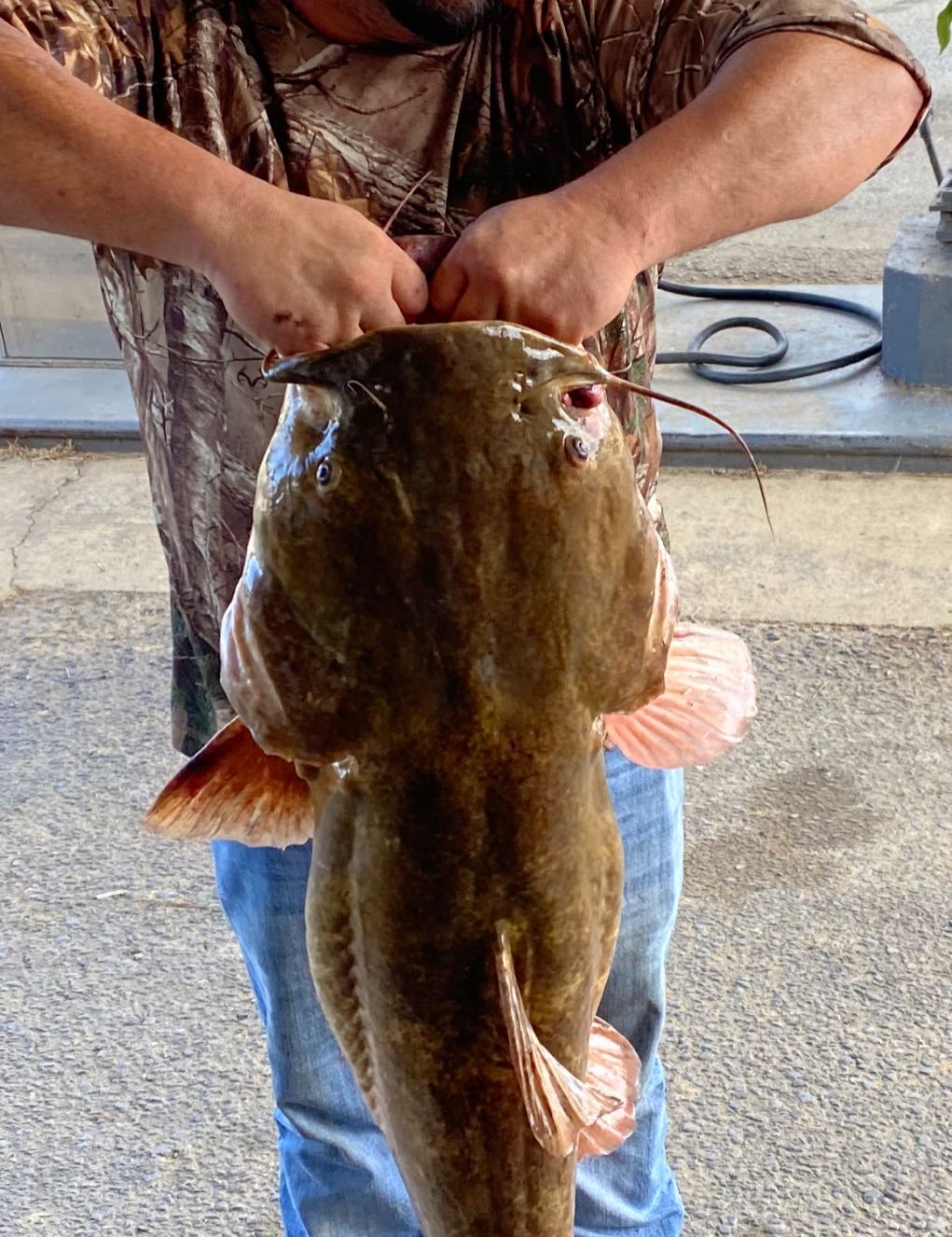
Smallmouth Buffalo Caught Fishing Cave Spring GA
Smallmouth Buffalo Fishing in Cave Spring - What to Expect
%2F%2Fusers%2F1c5cd96b-aad0-496f-95ad-81bce376292b%2Fimages%2Fsmallmouth-buffalo-cave-spring-fishing-2472.jpg&w=1920&q=75)
Fishing Charter by Captain Homad Khandaghabadi in June
- Best Coosa River Fishing Charter


Summary
Land smallmouth buffalo on a fishing charter in Cave Spring, GA with Captain Homad K of Coosa River Outfitters. This Saturday in June delivers fast-paced action on the Coosa River, where these hard-fighting fish provide thrilling strikes and memorable pulls. Discover what makes this location a top destination for smallmouth buffalo anglers.
Fishing Charter with Captain Homad K - Rates & Booking
Captain Homad Khandaghabadi of Coosa River Outfitters delivered an explosive smallmouth buffalo catch on Saturday, June 13. This fishing charter puts you on the water with a guide who knows the Coosa River inside and out, targeting one of Georgia's most aggressive and powerful freshwater species. Whether you're chasing your first buffalo or adding to your personal best, this charter combines local expertise with genuine action on the river. Contact Coosa River Outfitters to reserve your date and experience the thrill of smallmouth buffalo fishing in Cave Spring.
Highlights of Your Fishing Adventure
Smallmouth buffalo are explosive fighters that test your skills and your gear. When they strike, they mean business - hard runs, head shakes, and relentless pulls keep your adrenaline pumping from hook-set to landing. The Coosa River around Cave Spring offers prime habitat where these fish hunt aggressively, giving you genuine opportunities to connect with quality catches throughout the day.
Captain Homad K's local knowledge puts you in the right spots at the right times. You'll work shallow flats, current breaks, and structure where smallmouth buffalo stage and feed. Every cast matters, every bite counts, and every landing brings that rush of success that keeps anglers coming back.
Local Species Insights: Smallmouth Buffalo
Smallmouth buffalo are built for power and endurance. These stocky, muscular fish can exceed 50 pounds and fight with intensity that catches many anglers off guard. Unlike their larger bigmouth cousins, smallmouth buffalo prefer specific habitats - deeper channels, current-adjacent zones, and areas with rocky or hard bottom structure where they hunt and rest.
The Coosa River provides ideal smallmouth buffalo territory. Cool, flowing water, abundant forage, and structural diversity create conditions where these fish thrive year-round. They're bottom feeders and active hunters, using their downward-facing mouths to vacuum up crustaceans, mollusks, and small fish. On the water with Captain Homad K, you'll learn to read the river's personality - understanding where buffalo congregate, how they respond to different presentations, and what triggers their aggressive feeding behavior.
Smallmouth buffalo runs are legendary among southeastern anglers. When one takes your bait or lure, immediate pressure and direct strikes define the battle. These fish don't waste energy with tentative takes. You'll feel the power instantly, and your reaction time determines whether you land the fish or watch it tear line from your reel. The Coosa River's flowing current adds another dynamic, turning every fight into a three-way battle between angler, fish, and water.
What makes Cave Spring special is accessibility combined with consistent quality. You don't need to invest weeks hunting trophy smallmouth buffalo - this charter delivers genuine action in a single day. Captain Homad K's expertise, combined with the river's reputation, means more bites, more connects, and more memories. Whether you're filming content, pursuing a personal record, or simply chasing the thrill of landing a powerful freshwater fighter, the Coosa River around Cave Spring delivers.
Fishing in Coosa River: Smallmouth Buffalo
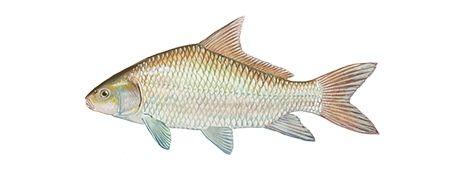
Smallmouth Buffalo Overview
The Smallmouth Buffalo (Ictiobus bubalus) is a stocky, bottom-feeding member of the Catostomidae family within the order Cypriniformes. This hardy and long-lived species is native to North America and is particularly renowned among anglers for its challenging bite and firm, tasty flesh. What makes the Smallmouth Buffalo distinctive is its subterminal mouth—positioned underneath its eyes rather than at the front—along with unusually large eyes and a sharp, razorback appearance along its dorsal fin. Often mistaken for a Common Carp by the untrained eye, this species lacks the telltale barbels found on carp, making it instantly recognizable to experienced fishers. The fish has earned the nickname "Razor Back" due to the sharp spines running along its back, and it's become a staple target for night bowfishers and commercial aquaculture operations throughout river systems and lakes across the Mississippi River basin and beyond.
Smallmouth Buffalo Habitat and Distribution
Smallmouth Buffalo are native to the Mississippi River system and have naturally established populations throughout major tributaries and connected waterways. Though historically concentrated in river environments, these fish have adapted remarkably well to lakes and ponds, particularly around Lake Erie where they coexist with carp populations. They thrive in fast-paced streams and flowing water but show equal comfort in still or slow-moving water bodies rich in aquatic vegetation. The species prefers habitats with dense plant growth, which provides both food sources and ideal spawning grounds. When targeting this species in any locale, look for areas with submerged vegetation, soft substrates, and moderate to heavy cover. The hardy nature of Smallmouth Buffalo means they can tolerate a wide range of water conditions, making them present in both pristine river valleys and urban waterways where other species might struggle to survive.
Smallmouth Buffalo Size and Weight
Smallmouth Buffalo typically grow to an average length of 16 to 24 inches, making them a substantial fish for most anglers. However, exceptional specimens can reach up to 44 inches in length—nearly 3.5 feet of pure freshwater muscle. Weight ranges generally fall between 20 and 50 pounds for mature, healthy individuals, though record-breaking fish occasionally exceed these averages. A documented catch of a 35-inch Smallmouth Buffalo demonstrates the impressive growth potential of this species when conditions are optimal. The substantial size of these fish, combined with their strong fighting ability once hooked, makes them a thrilling target for both recreational and commercial anglers. Younger fish in the 16 to 20-inch range are common in most productive waters, while truly large specimens tend to be found in well-established, undisturbed river systems with abundant food sources.
Smallmouth Buffalo Diet and Behavior
As detritivores, Smallmouth Buffalo have earned their reputation as opportunistic bottom feeders. They primarily consume decomposing organic matter, dead or dying animal parts, and decaying vegetation, playing an important ecological role in freshwater systems. Beyond detritus, their diet includes a surprising variety: algae, aquatic insects, mollusks, shellfish, invertebrates, and living vegetation. This omnivorous approach means they're constantly working the bottom and middle water columns in search of food, which is why anglers often find them in areas with heavy vegetation or silty substrates. Behaviorally, Smallmouth Buffalo are not aggressive strikers like bass or pike. Instead, they have a characteristic feeding style where they "mouth" baits—gently nibbling or touching them before committing to a full bite. Patience is essential when fishing for this species; what might appear to be a false bite is often just the fish investigating the offering. Their feeding activity tends to increase during low-light conditions, making dawn, dusk, and night-time prime fishing windows. Males reach sexual maturity around 4 to 5 years of age, while females require approximately 6 years, contributing to their stable, long-lived populations.
Smallmouth Buffalo Spawning or Seasonal Activity
Smallmouth Buffalo exhibit a prolonged spawning season that typically occurs in spring and early summer when water temperatures rise. Females can take up to 6 years to reach sexual maturity, while males mature slightly earlier at 4 to 5 years, creating age-structured populations with multiple breeding cohorts. During spawning season, these fish migrate to shallow, vegetation-rich areas where females deposit adhesive eggs on submerged plants and debris. This reproductive strategy explains the species' preference for habitats with abundant aquatic vegetation year-round. The extended spawning period allows for multiple reproductive events within a single season under optimal conditions. Seasonal activity peaks in spring and early summer, but Smallmouth Buffalo remain active feeders throughout the year due to their hardy nature and bottomfeeding lifestyle. Even in winter, they continue to forage on the lake or river bottom, making them catchable during cold months when many other species become dormant. Their approximate 40-year lifespan means individual fish can contribute to multiple generations of recruitment, supporting stable populations even in heavily fished waters.
Smallmouth Buffalo Techniques for Observation or Capture
Method 1: Doughball and Corn Presentation
The most reliable technique for catching Smallmouth Buffalo is presenting soft, aromatic baits in vegetation-rich areas. Doughballs and corn are traditional favorites, but many successful anglers enhance their baits by adding spicy elements like chili peppers or hot sauce. This approach works because Smallmouth Buffalo are attracted to the scent trail these baits create as they soften and disperse in the water. When using this method, cast your baited rig into areas with dense aquatic vegetation, particularly near fallen trees or submerged brush. Allow your bait to rest on the bottom, and watch for the characteristic gentle tugs that indicate the fish is investigating. The key is patience: wait for the pull to become strong and sustained before setting the hook, as premature strikes often result in missed fish.
Method 2: Night Bowfishing
Smallmouth Buffalo have become iconic targets for night bowfishing due to their abundance and size. This method involves using a bow and specialized fishing arrows with barbed tips, typically conducted after dark when fish move into shallow water. Successful bowfishers locate shallow flats adjacent to deeper water, use spotlights to locate fish, and execute precise shots. This technique requires practice but offers an exhilarating alternative to traditional rod-and-reel fishing. The Razor Back nickname gained popularity partly due to night bowfishing communities targeting this species.
Method 3: Rod and Reel with Careful Hook-Setting
Traditional angling for Smallmouth Buffalo demands a nuanced approach to the hook set. These fish have a frustrating tendency to "mouth" baits rather than aggressively strike. The most effective anglers develop an intuitive feel for their rod, waiting for a sustained, strong pull before engaging the reel. Cast near vegetation, maintain light tension on your line, and stay alert to subtle movements. The fish will often drag your lure or bait underwater when genuinely feeding, signaling the moment to set the hook with moderate force. This technique requires patience and practice but reliably produces catches when executed properly.
Smallmouth Buffalo Culinary or Utilization Notes
Smallmouth Buffalo possess firm, flavorful flesh that has earned them status as a commercially valuable food fish in many regions. The species is easier to raise in aquaculture settings compared to many other freshwater species, making them economically attractive for fish farming operations. Culinary preparations highlight their mild, slightly sweet flavor and dense texture—qualities that make them suitable for baking, frying, or smoking. The flesh has a good fat content that keeps it moist during cooking, distinguishing it from leaner fish species. Beyond food value, Smallmouth Buffalo contribute significantly to ecosystem health through their detritivore feeding habits, helping to recycle nutrients and maintain water quality in lakes and rivers. For anglers considering keeping fish for consumption, the Smallmouth Buffalo represents an excellent choice: abundant enough to sustain harvest in most waters, delicious enough to justify the effort, and nutritious as a protein source.
Smallmouth Buffalo Frequently Asked Questions
Q: What is the best bait for catching Smallmouth Buffalo?
A: Doughballs and corn are the traditional go-to baits for Smallmouth Buffalo. Many successful anglers enhance these offerings by adding "spicy" elements like chili peppers or hot sauce, which create scent trails that attract these bottom feeders. The key is allowing the bait to rest on the bottom in vegetation-rich areas where these fish naturally forage.
Q: How can I tell when a Smallmouth Buffalo is actually biting versus just mouthing the bait?
A: This is one of the most challenging aspects of fishing for this species. The most reliable indicator is when your lure or bait gets dragged underwater with sustained force. The fish will often gently nibble or touch baits without committing, so patience is essential. Experienced anglers develop an intuitive feel for their rod and wait until the pull becomes strong before setting the hook. It takes practice, but learning to distinguish between investigative mouthing and genuine feeding bites dramatically improves success rates.
Q: Where can I find Smallmouth Buffalo?
A: Smallmouth Buffalo are native to the Mississippi River system and its tributaries, but they're also established in major lakes like Lake Erie. Look for them in rivers with moderate current, lakes with abundant aquatic vegetation, and ponds with soft bottoms and cover. They prefer areas where they can feed on vegetation and detritus, so vegetation-rich zones are your best bet. In most North American river systems connected to the Mississippi basin, these fish are present year-round.
Q: Is Smallmouth Buffalo good to eat?
A: Yes, absolutely. Smallmouth Buffalo are commercially valuable food fish with firm, flavorful flesh. They have good fat content that keeps the meat moist during cooking and work well for baking, frying, or smoking. The flavor is mild and slightly sweet, appealing to most palates. Many regions consider them an excellent food fish, and they're common in commercial fisheries throughout North America.
Q: When is the best time to fish for Smallmouth Buffalo?
A: While these hardy fish feed year-round, they're most active during low-light conditions: early morning, dusk, and nighttime. Spring and early summer are excellent seasons as spawning activity increases fish movement into shallow areas. Night bowfishing for Smallmouth Buffalo has become popular specifically because the fish move into shallower water after dark. However, their 40-year lifespan and hardy nature mean you can catch them consistently throughout the year if you know where to look.
Q: How long do Smallmouth Buffalo live?
A: These fish have impressive longevity, with an approximate lifespan of 40 years, though no recorded maximum has been scientifically documented. This extended lifespan means individual fish contribute to multiple generations of populations, supporting stable fisheries even in areas with moderate harvest pressure. Their long lives also explain why large specimens of 30+ inches are occasionally encountered—some fish in your local river or lake may have been growing for decades.